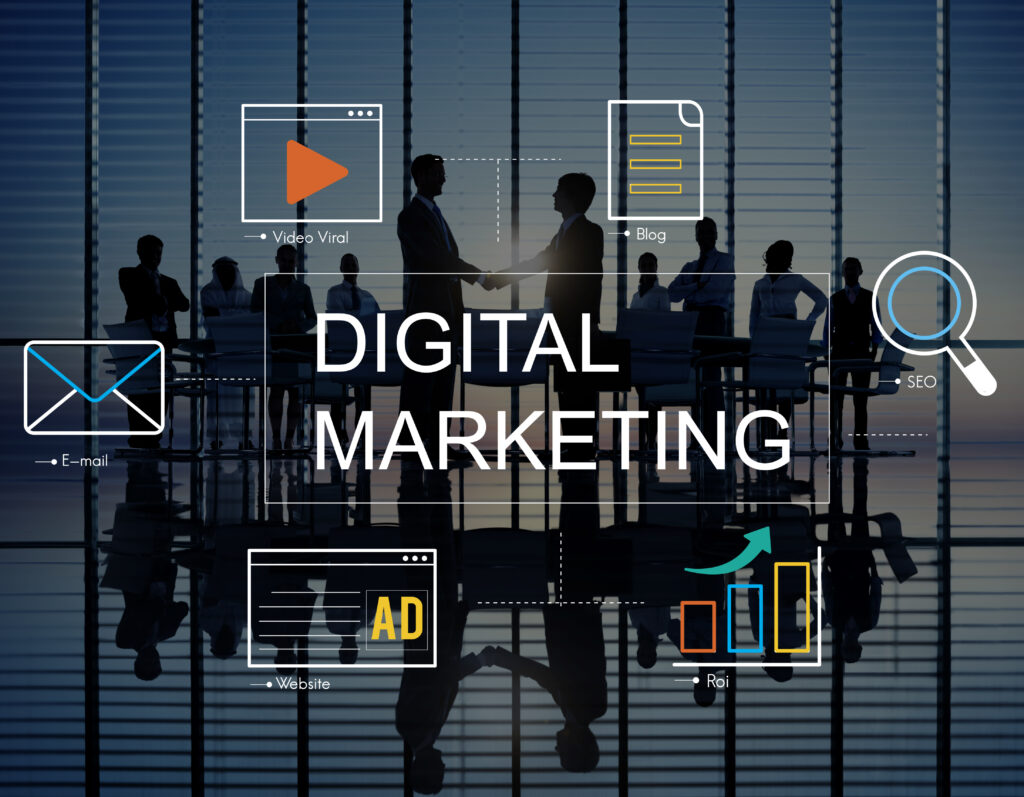
The digital marketing landscape never stands still, but 2025 represents one of the most significant moments of change in the industry’s history. Artificial intelligence is reshaping how content is created and how search engines work. Privacy legislation is fundamentally altering how businesses track and target their audiences. And consumer expectations around authenticity and brand values have never been higher.
For business owners and marketing professionals, staying ahead of these shifts isn’t optional — it’s the difference between growing and being left behind. Here’s DigiAmplify’s authoritative guide to the trends that matter most in 2025 and what you need to do about them.
1. AI Is Transforming SEO — but Quality Still Wins
The integration of artificial intelligence into Google’s search algorithms has accelerated dramatically. Google’s AI Overview feature (the AI-generated summaries that appear at the top of many search results) has changed how searchers interact with content — and created new challenges and opportunities for businesses.
The strategic response isn’t to fight AI — it’s to produce content that AI summaries will reference and link to. This means prioritising genuine expertise, original insights, first-hand experience, and trustworthy sourcing. Google’s EEAT framework (Experience, Expertise, Authoritativeness, Trustworthiness) has never been more important.
Businesses that produce genuinely helpful, authoritative content will thrive in the AI search era. Those producing generic, low-value content will find their organic visibility declining sharply. DigiAmplify’s content strategy approach is built precisely around these EEAT principles.
2. Zero-Click Searches and the Battle for Featured Snippets
A significant and growing proportion of Google searches now end without a click — the user gets the answer they need directly from a search result snippet, AI overview, or knowledge panel. This “zero-click” phenomenon has profound implications for content strategy.
To win in this environment, businesses need to structure their content in ways that earn featured snippet positions — clear, concise answers to common questions, properly formatted with headers, lists, and FAQ sections. The goal is to be the source that Google’s algorithms surface when they need an authoritative answer.
This is a more demanding content standard than simply writing for keywords — it requires a deep understanding of what your target audience actually wants to know, and the ability to answer those questions clearly and credibly.
3. Short-Form Video Is Now Non-Negotiable
The rise of short-form video — led by TikTok, Instagram Reels, and YouTube Shorts — has been one of the defining digital marketing stories of recent years. In 2025, it’s no longer an optional extra for businesses targeting younger demographics. It’s the most effective format for reaching audiences across all age groups and for building brand awareness at scale.
The creative challenge is real: producing consistently engaging 15–90 second videos requires creative skill, strategic thinking, and a willingness to experiment. But the algorithmic reward for doing it well is enormous — organic reach on short-form video platforms is significantly higher than almost any other format.
DigiAmplify’s content production team works with clients to develop short-form video strategies that are authentic to their brand, consistently produced, and strategically distributed for maximum impact.
4. First-Party Data Is the New Marketing Gold
The decline of third-party cookies and the tightening of privacy legislation across the UK and EU have fundamentally changed how businesses can track and target their customers online. Advertisers who relied heavily on third-party data for targeting have had to rethink their entire approach.
The strategic response is to invest heavily in first-party data — information that customers voluntarily provide directly to your business. Email lists, loyalty programmes, CRM data, website analytics, and customer surveys are all sources of first-party data that give you a genuine, compliant picture of your audience.
Businesses that have built strong first-party data assets are now at a significant competitive advantage. Those that haven’t need to make this a priority in 2025.
5. Personalisation at Scale Is Becoming the Norm
Advances in marketing automation and AI tools mean that delivering personalised experiences to individual customers at scale — something that would have required massive resources even five years ago — is now accessible to businesses of all sizes.
Personalised email sequences, dynamic website content that changes based on visitor behaviour, retargeting ads that reflect specific products viewed — all of these are now table stakes in competitive digital markets. Businesses that are still sending blanket email blasts to their entire list are leaving significant revenue on the table.
6. Brand Authenticity and Social Purpose Are Driving Consumer Choice
In 2025, how a brand behaves is as important as what it sells. Consumers — particularly younger demographics — are making purchasing decisions based on brand values, environmental commitments, social responsibility, and the authenticity of a company’s communications.
This creates both challenge and opportunity for businesses. The challenge is that performative “purpose washing” — claiming values without backing them up — is increasingly transparent and damaging. The opportunity is that businesses with genuine values and authentic communication can build passionate, loyal communities around their brand.
DigiAmplify helps clients articulate and communicate their brand values in ways that are credible, consistent, and genuinely compelling to their target audience.
7. The Omnichannel Imperative
Customers don’t think in channels — they just think about their experience with your brand. They might discover you through a TikTok video, research you on your website, see a Google ad, check your reviews, and finally make a purchase after an email promotion. Each of these touchpoints needs to feel consistent, professional, and aligned.
Businesses that manage their digital presence in siloed channels — treating SEO separately from social separately from email separately from paid — miss the opportunities that come from integrated, omnichannel thinking. The most effective digital marketing strategies connect these dots deliberately.
8. Voice Search and Conversational Queries Are Growing
The increasing use of voice search through smart speakers, phone assistants, and AI chat interfaces is changing the nature of search queries. Voice searches tend to be longer, more conversational, and more question-based than typed searches — which has implications for how content should be written and optimised.
Businesses that optimise for conversational queries and FAQ-style content are better positioned to capture this growing segment of search traffic.
What This Means for Your Business in 2025
The common thread running through all of these trends is this: quality, authenticity, and genuine value win. The tactics change, the algorithms evolve, the platforms come and go — but the businesses that consistently invest in being genuinely excellent at what they do, telling their story compellingly, and serving their audience better than their competitors will always find a way to grow.
DigiAmplify exists to help businesses navigate this complexity with confidence — combining strategic insight, creative excellence, and data-driven performance to deliver the online growth that matters.
FAQ
Q: How is AI changing SEO in 2025?
AI is transforming how search engines understand and surface content. Google’s AI overviews prioritise authoritative, expertly written content that genuinely answers user questions — making quality content more important than ever.
Q: Should my business be on TikTok in 2025?
For most businesses targeting consumers (B2C), yes. Even B2B businesses are finding value in short-form video content on LinkedIn and YouTube Shorts. The platform matters less than the commitment to quality video content.
Q: What is first-party data and why does it matter?
First-party data is information customers share directly with you — email addresses, purchase history, survey responses. With third-party tracking declining, this owned data is increasingly valuable for targeting and personalisation.
Q: How do I future-proof my digital marketing strategy?
Focus on fundamentals: excellent content, genuine brand values, strong customer relationships, and a data-driven approach to measuring what works. Platforms and tactics change; these principles endure.
Q: What digital marketing investments deliver the best ROI in 2025?
SEO, content marketing, and email marketing consistently deliver strong long-term ROI. Short-form video is delivering exceptional organic reach. First-party data collection is foundational. The right mix depends on your business and goals.
Let’s Build Your 2025 Digital Strategy Together
The trends are clear. The question is whether your business is positioned to take advantage of them. DigiAmplify has the expertise, the creativity, and the data-driven approach to help you build a digital marketing strategy that thrives in 2025 and beyond. Contact us today for a strategic conversation about your growth.