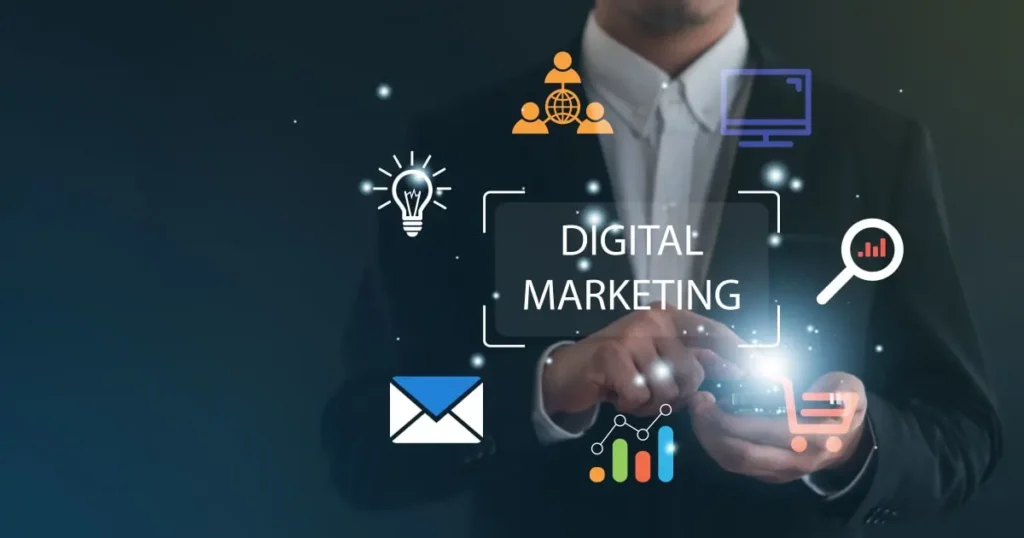
You’ve probably heard a hundred times that your business needs digital marketing. But when you start looking into it, the terminology can be overwhelming: SEO, PPC, UX, CRO, social media funnels, content strategy, brand identity — it’s a lot.
Here’s the simple truth: a good digital marketing agency helps your business get found online, make a strong impression, and convert that attention into real customers. Everything else is just the method.
This guide walks through exactly what a digital marketing agency does, which services matter most for your business, and what to expect when you partner with one.
The Core Services of a Digital Marketing Agency
Social Media Marketing
Social media marketing encompasses everything from organic content creation and community management to paid advertising campaigns across platforms like Instagram, Facebook, LinkedIn, TikTok, and X (formerly Twitter).
The goal isn’t just to get likes — it’s to build a genuine audience that knows your brand, trusts your expertise, and is ready to become customers when the moment is right. A strategic social media presence also supports your SEO efforts by driving traffic and building brand recognition.
Web Development
Your website is the single most important digital asset your business owns. It’s your 24/7 sales representative, your first impression, and the destination for all your marketing activity. A badly built or poorly designed website can undermine every other marketing effort you make.
DigiAmplify’s web development work focuses on sites that look great, load fast, work perfectly on mobile, and are built with conversion in mind. This isn’t just about aesthetics — it’s about creating digital experiences that turn visitors into enquiries and sales.
E-Commerce Solutions
For businesses selling products online, e-commerce development is a critical capability. From Shopify builds and WooCommerce integrations to custom e-commerce platforms, the right technology stack can be the difference between an online shop that converts and one that frustrates customers into leaving.
Brand Identity and Content Production
Your brand is more than your logo — it’s the complete story your business tells about itself, from visual identity and messaging to the tone of voice in your emails and social posts. DigiAmplify helps businesses define and express their brand consistently across every digital touchpoint.
Content production — blog articles, video, photography, infographics, case studies — is the fuel that powers digital marketing. Without great content, even the best SEO strategy struggles to gain traction.
Why “Data-Driven” Actually Matters
You’ll hear most agencies claim to be “data-driven”, but what does that actually mean in practice?
It means every decision — which keywords to target, which ad creative to run, which pages to optimise first — is based on evidence rather than guesswork. It means setting clear performance metrics before campaigns begin and measuring against them honestly. It means being willing to change course when the data shows something isn’t working.
DigiAmplify’s approach combines creative expertise with analytical rigour. The team builds campaigns that are both compelling and measurable, so you always know exactly what your marketing spend is delivering.
The Difference Between Strategy and Tactics
One of the most important things a good digital marketing agency brings to a business is strategic thinking — not just tactical execution. The tactics (posting on social media, running Google ads, writing blog content) are relatively easy to do. Knowing which tactics to prioritise, how they fit together, and what success looks like is where the real expertise lies.
DigiAmplify works with clients to develop customised digital strategies that align with their business goals, budget, and timeline. There’s no one-size-fits-all approach because no two businesses have exactly the same challenges or opportunities.
What to Expect When Working with a Digital Marketing Agency
The process typically begins with a discovery phase — understanding your business, your target audience, your competitors, and your current digital presence. This leads to a strategic recommendation covering priorities, timelines, and expected outcomes.
Once agreed, implementation begins. For SEO, this is typically a medium-term investment — meaningful results usually take three to six months to become fully visible. Social media and paid advertising can deliver faster results, but require ongoing management and optimisation.
Good agencies provide regular, transparent reporting. You should always be able to see exactly what’s been done, what results have been achieved, and what’s planned next.
How to Choose the Right Digital Marketing Agency
Look for an agency that takes the time to understand your business before proposing solutions. Be wary of agencies that promise top Google rankings in 30 days — SEO doesn’t work that way, and promises like that are usually a red flag.
Check for case studies and testimonials that demonstrate real results for real clients. Ask about reporting processes and how they communicate progress. And look for an agency whose values and approach feel like a genuine fit for your business.
FAQ
Q: How long does it take to see results from SEO?
Typically three to six months to see significant movement in rankings, with continued improvement over 12 months and beyond. SEO is a long-term investment with compounding returns.
Q: Is digital marketing suitable for small businesses?
Absolutely. Digital marketing levels the playing field, allowing small businesses to compete effectively against larger competitors through targeted, cost-effective campaigns.
Q: How much should I budget for digital marketing?
There’s no universal answer — it depends on your goals, competition, and timeline. A good agency will work with your budget and be transparent about what’s achievable at different spend levels.
Q: Do I need a new website before starting digital marketing?
Not necessarily, but your website needs to be functional, fast, and mobile-friendly. A digital marketing audit will identify whether your current site is fit for purpose.
Q: What’s the difference between SEO and paid advertising (PPC)?
SEO builds organic (non-paid) visibility over time. PPC (pay-per-click) delivers immediate visibility through paid ads but requires ongoing spend. A good digital strategy typically includes both.
Ready to Grow Your Business Online?
Understanding digital marketing is the first step — acting on it is the next. DigiAmplify works with businesses at every stage of their digital journey, from building a first website to scaling established brands. Get in touch today for a no-obligation conversation about your digital growth potential.nline?